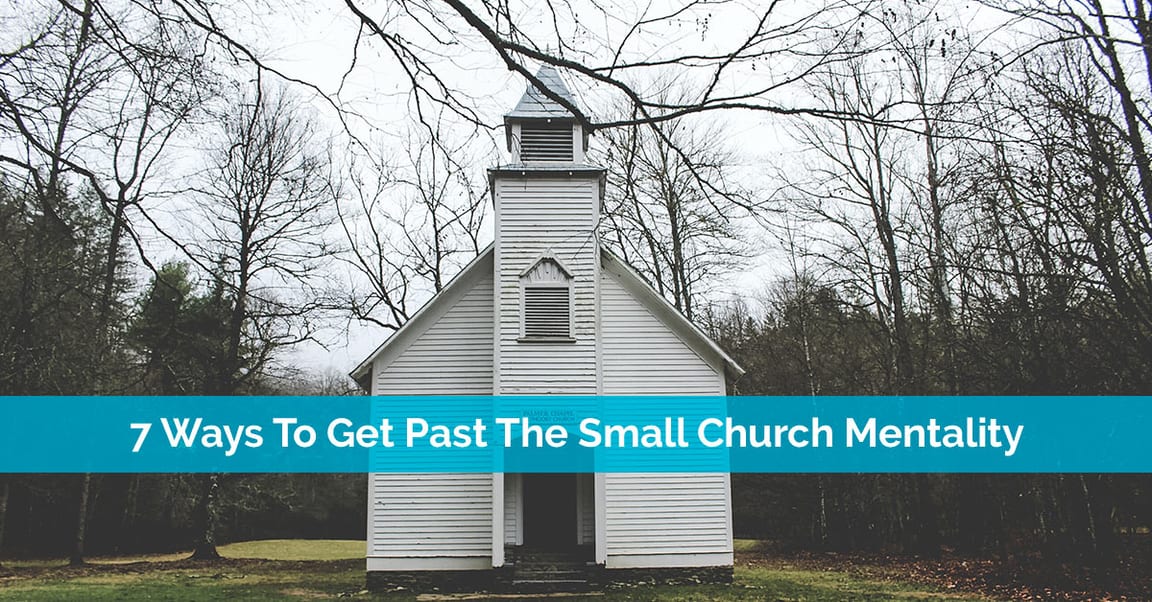
It’s not uncommon for small and even medium-sized churches to fall into a common trap - the small church mentality. There’s nothing wrong with being a small church. However, this mentality stunts your church’s growth. It becomes harder to attract younger members and even older members don’t feel quite as engaged. Until your church moves past this mentality, growth and attendance are likely to dwindle. Instead, start making changes today that ensure a future for your church.
1. Use Simple Technology
Mention the word “technology” in a small church and you might get groans instead of any form of agreement. Smaller churches are often filled with older members and leaders who tend to be set in their ways. However, it’s vital to point out that becoming a more tech-savvy church doesn’t mean bright lights and booming speakers. Start with simple technology upgrades. For instance, upload sermons to YouTube or your church’s website (if you have one). Add a simple surround sound system to make it easier for everyone to hear. This is also helpful for the pastor, so they don’t have to yell to be heard in the back. When technology doesn’t seem so overwhelming, members and leaders are more likely to embrace it.
2. Embrace Websites
Smaller churches spend countless hours on sending out flyers and pamphlets to advertise upcoming events. While that works well, it’s not the only way to get people to notice your church. However, the small church mentality often leads to being exclusive. By starting a church website, you’re opening your church to a global audience. While local marketing is still important, now you have a platform for engaging your members and non-members 24/7. Talk about upcoming events, showcase your members working in the community, inspire people with words of encouragement and scripture. Every church should have a website. If you’re not sure if a website is right for you or how it could help, check out a few of our previous posts:
- Top 100 Church Websites Of 2018
- 7 Ways Your Church Website Can Better Connect You To Your Members
- Growing Your Church - How To Make Your Website Irresistible To Visitors
3. Start Getting Social
Nothing helps break your church away from the small church mentality like getting more social. This doesn’t just mean getting more involved locally. It means engaging with strangers, who could be potential visitors, online. With the negative reputation social networks have, it’s easy to understand why this might not go over so well with your members. Even millennials are starting to hate social networking. However, this hasn’t stopped millions of people from using social networks regularly. You don’t have to use the platforms to spread hate. Instead, your church needs to be on social networks to spread positivity. Wouldn’t it be nice to see more sermons and scripture being shared and discussed than fake news?
4. Get Your Members Involved
Your members will push back hard if church leaders suddenly make more modern changes to start growing the church. They might quit or start another church. The best way to avoid this is to get your members involved. For instance, ask for volunteers for managing social media or updating the blog. Let them make suggestions on what changes they’d like most.
5. Find Out What Technology Members Use
Technology isn’t as overwhelming as some of your members might make you believe. In fact, most of them probably have a smartphone on their hip or in their purse. They go home and watch Netflix on their smart TVs. While this doesn’t apply to everyone, it does apply to many. If you want to get past the small church mentality and start creating a more modern church, find out what types of technology your members already use. They’ll be far more likely to embrace changes that they’re already familiar with.
6. Implement Online Giving
Online giving is a way to make it easier for your members and even non-members to tithe. For instance, maybe someone from 300 miles away was moved by your blog post and wanted to give a little. They could donate with their credit card or PayPal. By adding this more modern giving option, your church opens its doors to more funding, which aids in improving your church’s overall reach and effect on the community.
7. Remember Every Church Started Small
The most important thing is to remember that every church starts small. Even mega-churches had to start somewhere. Just because you have a handful of members doesn’t mean your church can’t have a major impact on your members, your local community and globally. All you have to do is embrace technology and some modern changes to move past being just a small church to being a church for everyone.
Frequently Asked Questions
Is your church ready to take the next step to breaking free from the small church mentality? Start with a custom-made church website today.